We use them to analyze data about our visitors, improve our website, display personalized content, and provide you with an excellent experience on our site. To learn more about the cookies we use, visit our settings page.


Experience and an inherited passion
With nearly three decades of experience in international organizations, Dorina understood early on what high standards truly mean – not just in education, but in organizational culture, in human relationships, and in the responsibility we carry toward our communities. She has been part of the Heritage team for five years, arriving with a deep passion for teaching that has been passed down through generations.
“In my family, I’m the third generation of teachers. I grew up watching my parents and grandparents dedicate their entire lives to this profession”, she says.
She studied linguistics, English language and literature, and translation. She completed university training in the United States and earned the Cambridge CELTA international certificate for teaching English as a foreign language. At Heritage, she began her career as an English teacher.
“One defining experience was taking part in a university program in the United States, where – as part of the pedagogical training – I had to learn a completely new language from scratch. Since I already spoke Romanian and Russian, I couldn’t choose Slavic, Romance, or Germanic languages, so I started studying Hebrew. That experience shaped me profoundly as a teacher, because it taught me how to truly put myself in the shoes of a student who knows nothing and needs clear, patient explanations”, she recalls.
Psychology – a passion and an academic discipline
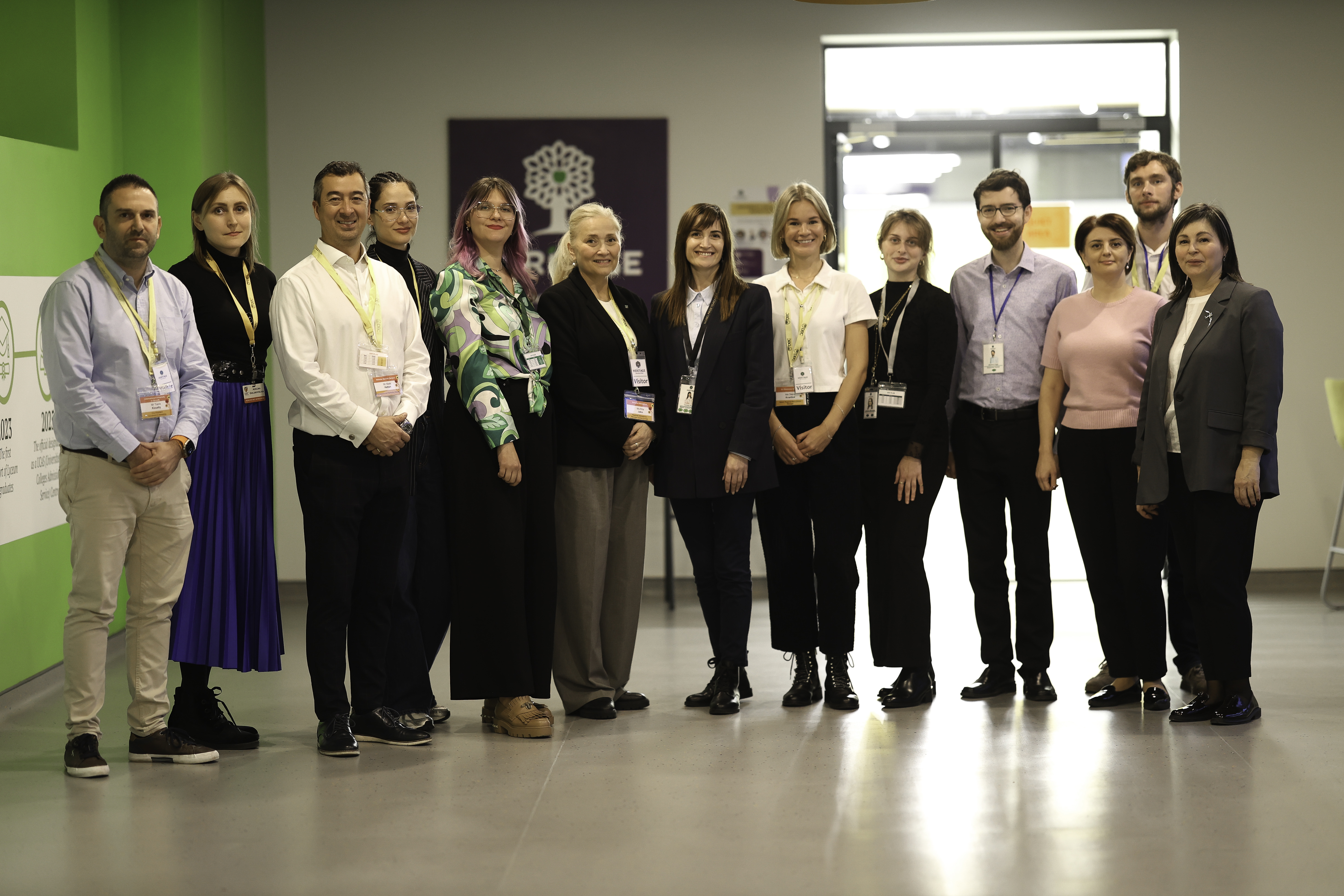
Psychology has always been her greatest passion, her primary area of interest. She studied it deeply, and at a certain point, she was faced with a choice: pursue therapy and become a psychotherapist, or take a different path. She chose to make her students fall in love with the field instead.
“Luckily, Heritage offers psychology as a Cambridge discipline – and I think that’s where I found the right balance for me. It's important to understand that the psychology studied here is a scientific discipline, not therapy. Over the course of their final two years of high school, students explore in depth a range of perspectives, including biological, cognitive, and social, as well as areas such as clinical and organizational psychology. It’s solid, substantial knowledge, far more rigorous than what most people assume psychology involves”, she explains.
Studying psychology leaves its mark both academically and personally. Year after year, Dorina prepares students who go on to be admitted to top universities to study psychology and related fields – while also contributing meaningfully to their personal development.
“A student who completes two years of psychology can choose to continue in this field at the university level. Every year, we have young people admitted to leading universities to major in psychology. What’s particularly interesting is that universities recognize the academic depth of the program. In many cases, graduates receive university credits because the Cambridge system is one of the most rigorous and academically demanding educational frameworks out there”, Dorina notes.
Emotional intelligence – a teacher’s priority
Beyond academic knowledge, Dorina places great emphasis on developing students’ emotional intelligence. What matters most to her is that young people learn to understand themselves – to look inward. During lessons, students are encouraged to reflect on their own emotional states, and the question “How are you feeling now?” comes up again and again.
“I believe one of the most important skills a person can have is emotional intelligence. It’s a real skill. First and foremost, it means understanding that your emotions, perceptions, and reactions may be entirely different from someone else's. It means trying to understand the other person, not to change them. It means working toward common ground. Without emotional intelligence, a person lives in a kind of void – convinced they’re always right, but often unhappy. These are things every human being needs. When you learn to listen to yourself and understand yourself, choosing your path becomes so much easier – not just in your career, but in life as a whole”, she says.
Emotional support and modern teaching methods
Dorina is also an emotional anchor for her students. In her office, she has a cozy corner she calls “the armchair for tears” – a space reserved for honest, open conversations.
“Students come in; we talk. If the situation calls for it, I recommend professional therapeutic support, and sometimes I speak with parents as well. Confidentiality is important”, she shares.
In her lessons, you won’t find the classic image of a teacher standing at the front of the room delivering a lecture. What you'll find instead is interaction, discussion, and analysis.
“I come to class with a very well-structured plan, but I’m always ready to be flexible and adjust it based on what I observe in the room”, she says. A key element of her teaching method is the emphasis on research and observation. Students explore topics such as sleep and dreams, emotions, conformity, stereotypical behaviours, aggression, and many more - discovering new perspectives on themselves and the world around them.
Guiding students toward their future
In the second semester, students in the 10th grade choose the subjects they’ll study for the next two years: four subjects, each explored in depth, following the Cambridge Assessment International Education framework. Teachers organize presentation sessions to help them make an informed choice. Each year, every cohort is different, demonstrating a wide range of interests, from sciences such as Mathematics, Physics, and Chemistry to subjects like History, Sociology, Psychology, and Law.
Dorina’s message for the future is simple and profound: whatever career path they choose, students must learn to listen to themselves and make conscious choices. “We are simply facilitators. We help them find their own way”.
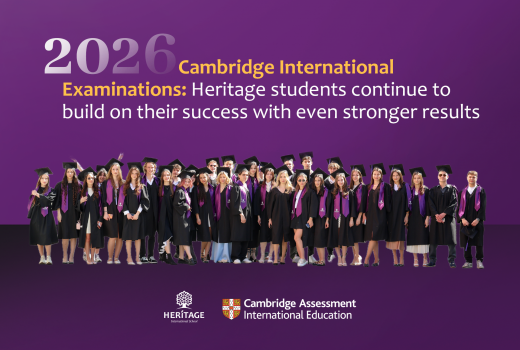
Academic rigor, curiosity, and consistent effort have paid off once again at Heritage International School. The results from the June 2026 Cambridge International examination reaffirm the caliber of
Heritage International School has become the first educational institution in the Republic of Moldova to achieve full accreditation from the Council of British International Schools (COBIS) after
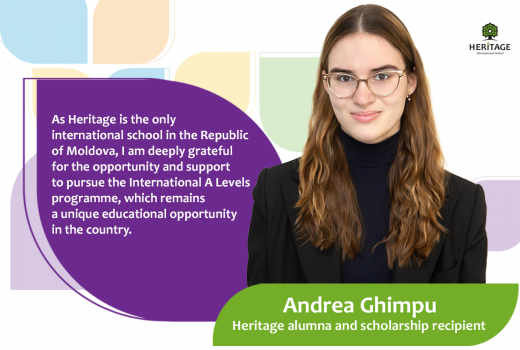
The Heritage Scholarships Programme 2026-2027 offers students from the Republic of Moldova the opportunity to study in an international educational environment and gain access to experiences that can
Heritage International School reminds students and parents across the Republic of Moldova that 14 June 2026 is the final day to apply for the 8th edition of the Heritage Scholarships Programme
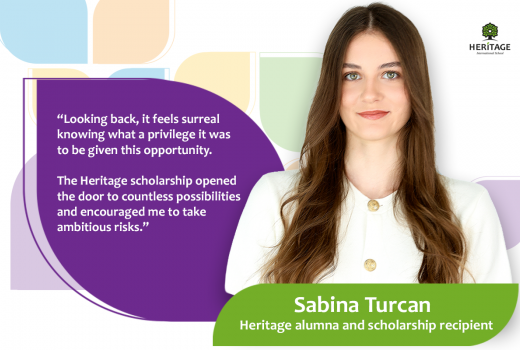
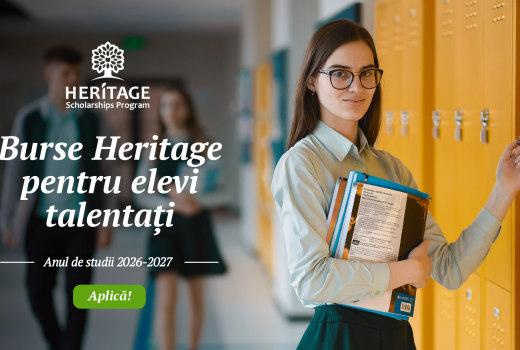
Heritage International School announces the launch of the 8th edition of the “Heritage Scholarships” Program for the 2026–2027 academic year and invites the most ambitious and dedicated students in
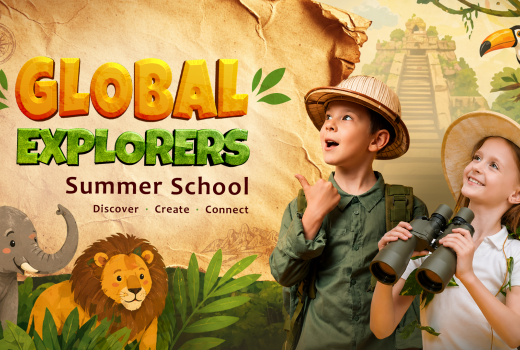
This summer Heritage International School is turning its campus into an expedition base, where every child aged 7 to 12 is invited to take part in this adventure. Heritage Global Explorers Summer
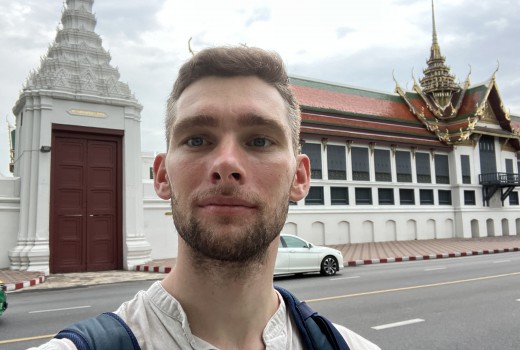
There is a small ritual at the end of many of Roman Dumych’s physics and geography lessons at Heritage International School. With ten minutes left on the clock and the day’s material covered, he
With over 25 years of experience in education, Victoria Fiodorov combines the academic rigor of law with the pedagogical sensitivity required for working with adolescents. After two decades spent in
How do we help young people grow into confident, grounded adults in a world that is changing before our eyes? It all starts with their courage to step outside their comfort zone and the way they
There are questions every parent asks, sooner or later, when choosing a school for their children. Beyond academic rigor and certifications, who are the people behind the lessons? What values guide