We use them to analyze data about our visitors, improve our website, display personalized content, and provide you with an excellent experience on our site. To learn more about the cookies we use, visit our settings page.


There are questions every parent asks, sooner or later, when choosing a school for their children. Beyond academic rigor and certifications, who are the people behind the lessons? What values guide them, and how do they actually relate to the students in front of them?
To find out, we spoke with Vitalie Cucosh, physics teacher at Heritage International School. Vitalie has been teaching here since 2018, following a decade at a vocational school in Chișinău. With nearly 19 years of experience, he has kept his passion for the world of physics wholly intact, along with a teaching philosophy that – perhaps surprisingly – places the person above the subject.
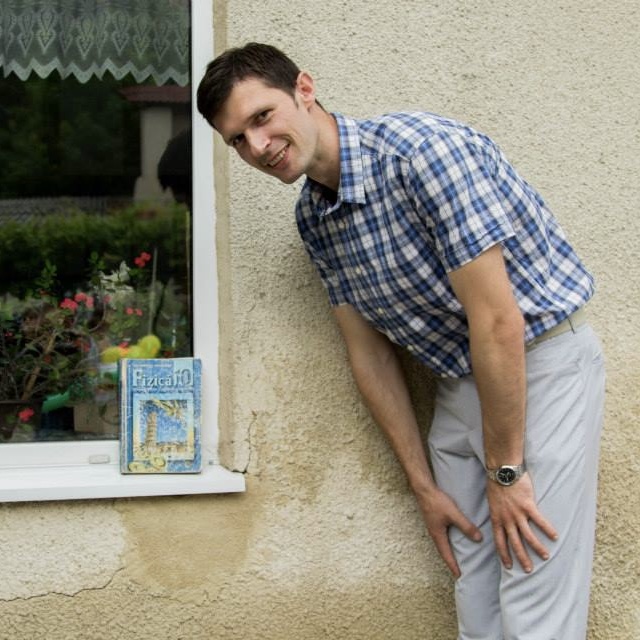
It all started with a challenge set by his own physics teacher during his school years. The teacher said: “Whoever solves this problem gets a ten”. Vitalie wasn't particularly drawn to physics at the time, but he accepted the challenge, solved the problem, earning the promised “10”. The next challenge soon followed from the same teacher – to participate in the district physics Olympiad. He accepted, prepared hard, and took 2nd place. Those two moments made him want to pursue physics further at university. When he enrolled, he had no idea that the faculty was training him not just as a physics specialist, but in fact for a career in teaching.
To the curious questions, Vitalie smiles and answers without hesitation: “If you ask me how I chose to become a teacher, I would say I didn't choose it – the profession chose me”.
After completing his studies, Vitalie took the natural next step and became a physics teacher at a vocational school in Chișinău. After ten years, he decided to leave teaching for a different field. It was around that time that Heritage School was launched – an international school just finding its feet, with a British curriculum and a fresh vision for education. This unique school sparked his curiosity. He sent in his CV without high expectations, and the following spring, he got the call that would shape the next seven years of his career.
At Heritage, Vitalie teaches “A Level” Physics in English – part of the Cambridge curriculum, widely considered the “gold standard” in education. It is an intensive course chosen by high school students who need the discipline for their future careers. These are the qualifications that open the doors of universities around the world.
Vitalie covers the entire syllabus in the first four months at a steady pace, so that the second half of the year can be dedicated exclusively to Cambridge exam simulations. “We work intensively with official exam papers from previous years, accessed from an extensive database. The strategy is simple: students solve them under real conditions but without the pressure of grading. Afterward, they self-assess their work according to the official scoring criteria, a process that helps them understand the exact Cambridge mechanism”.
But intensity does not mean rigidity. Vitalie knows that abstract physics stands no chance with a teenager unless it is connected to something familiar.
Whether he’s explaining friction using the winter ice as an example, or projectile motion through the trajectory of a basketball ball, his lessons always have a counterpart in everyday life. Even electric current and vibrations make sense when explained through the example of an electric guitar. The physics teacher at Heritage has understood one thing: to reach a student's mind, you must first pass through the world of their passions.
And so Vitalie turns his students into the heroes of their own physics lessons. If there are sports enthusiasts in the room, the examples for the laws being studied will come from sport – and how the students, as athletes, could apply those laws in practice. If there are musicians, they will inevitably hear about the physics of sound waves, about how trumpets work, or about how infrasound affects hearing. The lesson is shaped around their interests. “I care about their passions because I want to be useful to them not just with theory, but to make physics relevant to the field they love”, the teacher explains. It is an approach that demands more than just a mastery of the subject. It requires the talent to truly see the person in front of you and the ability to translate the abstract for a new generation.
Vitalie has tried being strict. He admits with a smile that it’s just not in his nature. “I try to be strict. But it doesn't come naturally. I manage it in certain moments, but I always return to my natural state: being kind and friendly with my students, being gentle with them, and supporting them whenever they face difficulties”.
Vitalie believes in collaborative teaching: students who understand something better become teachers for their peers. “I try to put emphasis on this collaborative approach – encouraging students who have already mastered the topic and moved ahead to assist me in teaching those who haven’t understood it yet”.
This method offers a double benefit: the student who explains consolidates their own knowledge, while the student who listens receives the information in a more accessible, “peer-to-peer” language. Other methods Vitalie uses to make physics more approachable include creative memorization techniques, images, and videos that help students see experiments and phenomena happening in the real world.
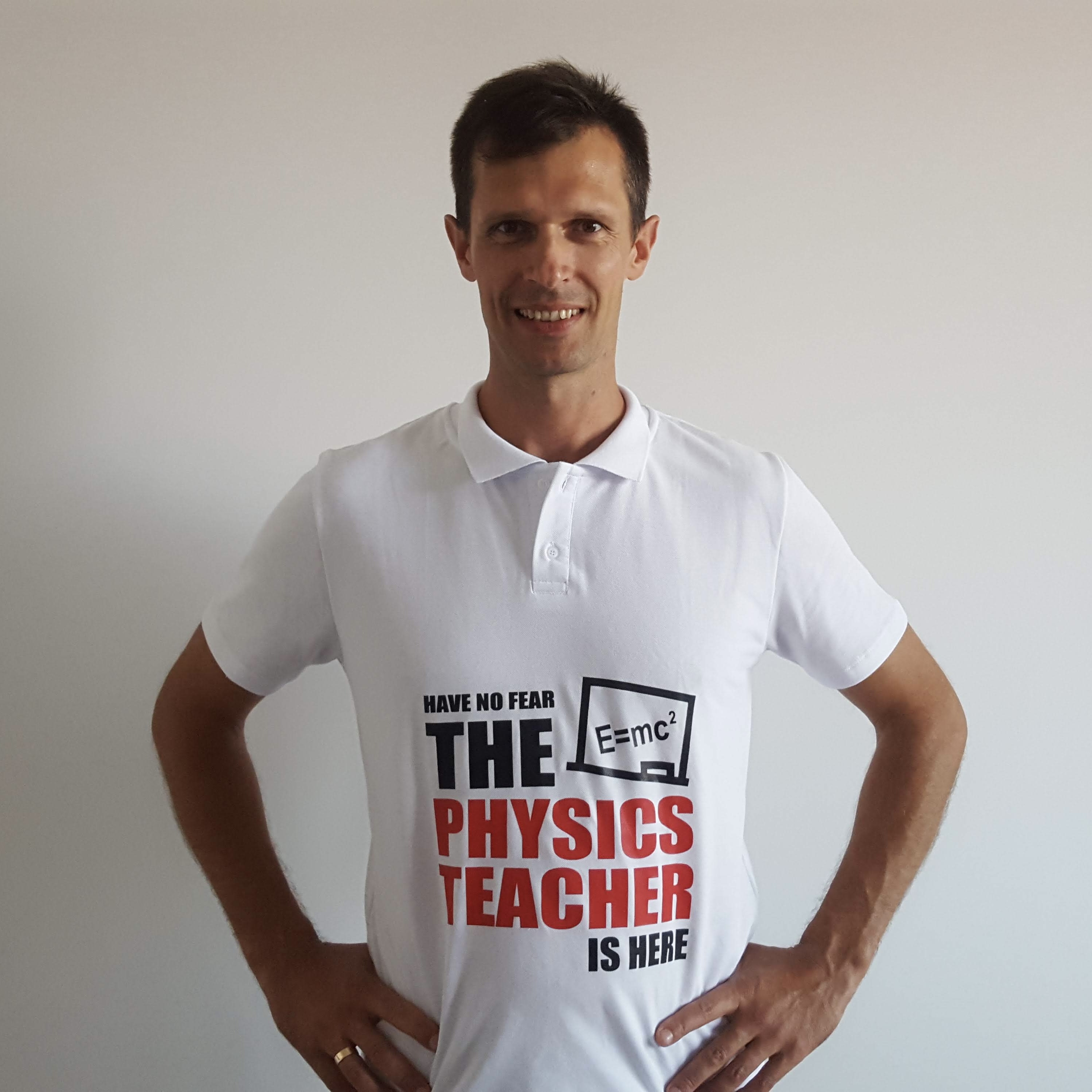
In Heritage's international environment, the leap from Year 10 to A Level is significant. And when exam stress arrives – as it inevitably does – the teacher does something unusual: he puts things in perspective. He talks to his students not about grades, but about life. “I don't want students to become obsessed with grades. I remind them that school is one part of life, and there are other parts too. Sure, it’s important to pass this Cambridge exam – that’s why we work hard for it – but it is an exam. Life is more than that exam”, Vitalie believes.
Perhaps that is precisely why his students succeed. Because they are not paralyzed by fear, and because they know they have a teacher who supports them.
Nearly 90% of students who choose “A Level” want to become engineers. Vitalie is struck by the clarity of their ambitions. “Some aspire to space engineering, dreaming of building rockets and aircraft, while others want to become pilots. There are students drawn to software engineering, and others to civil engineering, eager to raise impressive structures. To my great pleasure, I've found that the majority have very well-defined goals”.
For future engineers, the “A Level” Physics course is, in practical terms, their passport to engineering faculties across Europe and beyond.
Alongside intensive exam preparation, “A Level” students also take part in STEAM projects. This year they managed to build an “Eco Village” – a model of a sustainable settlement capable of supplying its own needs through natural resources. The project gave them a hands-on demonstration of how theoretical concepts can generate real solutions for the future of the planet.
If you find yourself wondering what a truly good education looks like, you may discover that the answer lies in people. In teachers like Vitalie Cucoș, who sees future engineers and pilots not as ordinary students, but as explorers at the very start of their journey. Through physics, students learn what an engineer actually does – solve problems. That is his way of preparing them not just for university, but for life. Because at the end of the day, Vitalie knows that “more important than physics in life is life itself”.
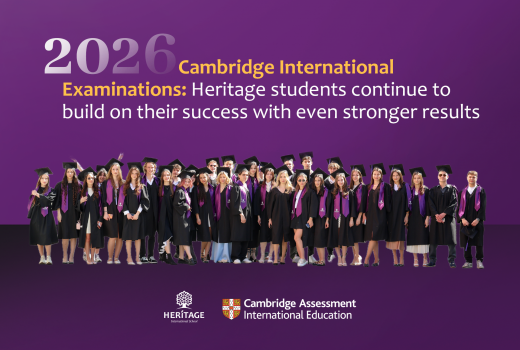
Academic rigor, curiosity, and consistent effort have paid off once again at Heritage International School. The results from the June 2026 Cambridge International examination reaffirm the caliber of
Heritage International School has become the first educational institution in the Republic of Moldova to achieve full accreditation from the Council of British International Schools (COBIS) after
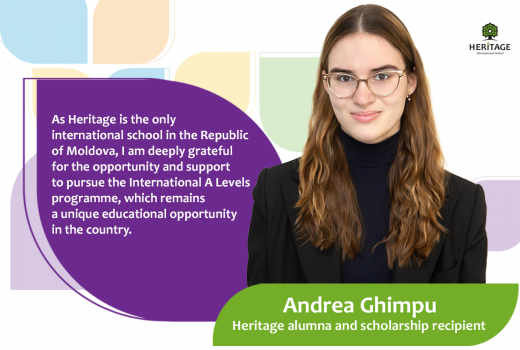
The Heritage Scholarships Programme 2026-2027 offers students from the Republic of Moldova the opportunity to study in an international educational environment and gain access to experiences that can
Heritage International School reminds students and parents across the Republic of Moldova that 14 June 2026 is the final day to apply for the 8th edition of the Heritage Scholarships Programme
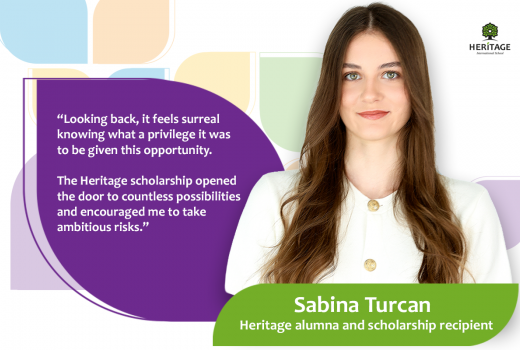
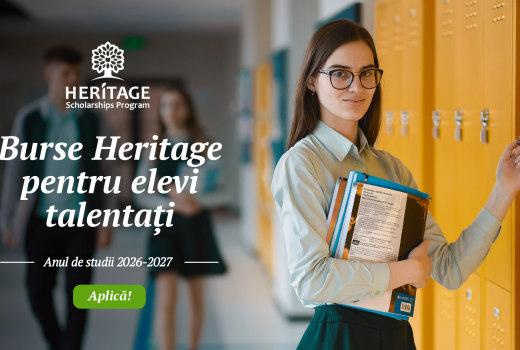
Heritage International School announces the launch of the 8th edition of the “Heritage Scholarships” Program for the 2026–2027 academic year and invites the most ambitious and dedicated students in
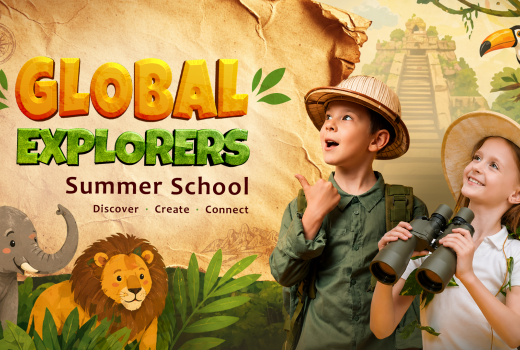
This summer Heritage International School is turning its campus into an expedition base, where every child aged 7 to 12 is invited to take part in this adventure. Heritage Global Explorers Summer
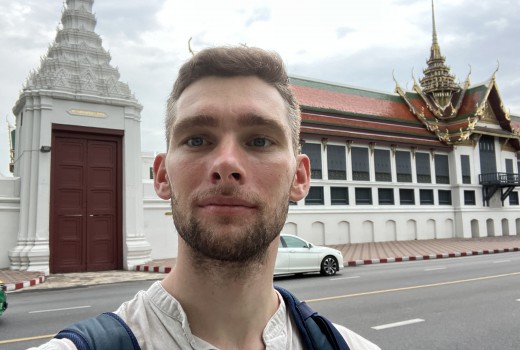
There is a small ritual at the end of many of Roman Dumych’s physics and geography lessons at Heritage International School. With ten minutes left on the clock and the day’s material covered, he
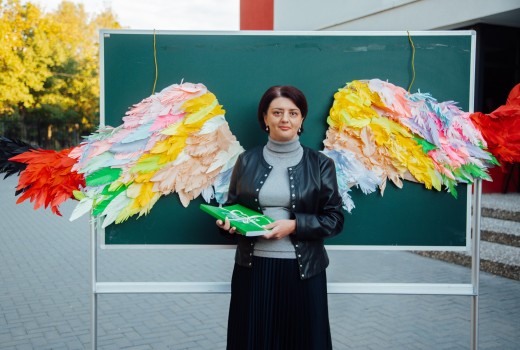
With over 25 years of experience in education, Victoria Fiodorov combines the academic rigor of law with the pedagogical sensitivity required for working with adolescents. After two decades spent in
How do we help young people grow into confident, grounded adults in a world that is changing before our eyes? It all starts with their courage to step outside their comfort zone and the way they
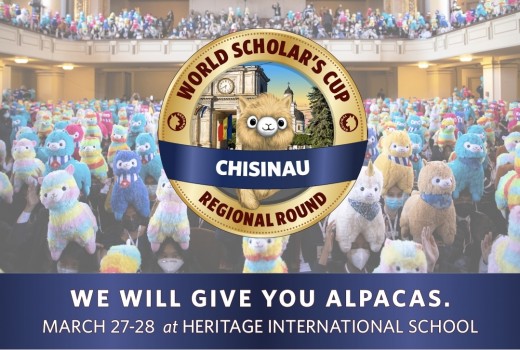
The international “World Scholar’s Cup” competition returns for the sixth consecutive year to Heritage International School, where all students from schools across the Republic of Moldova are invited